The China Helper
Your practical guide to studying, living and learning in China.
The China Helper
Your practical guide to studying, living and learning in China.


A realistic monthly budget for international students in China — rent, food, transport, phone and insurance, compared across city tiers, plus practical ways to spend less.
What does the cost of living in China really look like for an international student? Below is a realistic monthly budget breakdown — rent, food, transport, phone and study costs — with city-by-city comparisons so you can plan before you arrive.
Check the official source before you act
This guide reflects rules and prices as published by Chinese authorities and providers, and was last reviewed in September 2026. Rules, fees, platform features and deadlines change, and city offices and branches apply them differently. Confirm the current position with your university’s published fee schedule, the National Bureau of Statistics for price indices, or your landlord before you rely on any figure below.
Last reviewed: September 2026 · Part of our Life in China guide series.
At a glance
Quick answer
Most international students spend ¥2,500–6,500 per month including housing, and the city you pick is the single biggest factor — rent in Shanghai can be triple a mid-tier city. University canteens are the easiest place to save, most metro rides cost ¥3–8, and budget separately for annual tuition and insurance, which don’t fit a monthly figure.
China is considerably cheaper than the US, UK or Australia for most students — but “cheap” hides a wide spread. The city you choose and whether you live on or off campus can easily double or halve your monthly spend. This guide gives realistic ranges in RMB rather than a single misleading average, so you can build a budget that actually fits your situation. All figures are everyday student-level costs, not luxury spending.
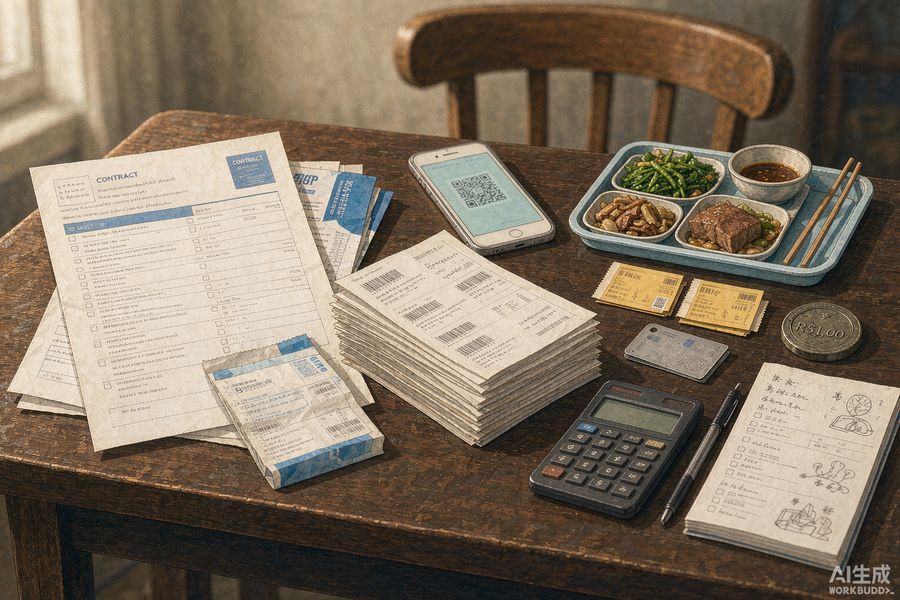
About these figures: they are typical ranges reported by international students in 2025–2026, not official statistics or regulated prices. City, campus and lifestyle move them a lot — use them to set an initial budget, then check current prices once you arrive.
These are monthly totals including rent, for a student living modestly but comfortably.
| City tier | Examples | Typical monthly total |
|---|---|---|
| Tier 1 | Beijing, Shanghai, Shenzhen, Guangzhou | ¥4,500 – ¥7,000 |
| New tier 1 / strong tier 2 | Hangzhou, Chengdu, Nanjing, Wuhan, Xi’an, Chongqing | ¥2,800 – ¥4,500 |
| Other tier 2 and tier 3 | Kunming, Harbin, Changsha, Qingdao, smaller cities | ¥2,000 – ¥3,500 |
The single largest driver is rent. Everything else — food, transport, phone — is broadly affordable and varies far less between cities than housing does.
Housing will take the biggest share of your budget, and it is where your choices matter most.
| Option | Typical monthly cost | What to expect |
|---|---|---|
| On-campus dormitory | ¥600 – ¥1,500 | Usually a shared room with a shared or semi-private bathroom. Cheapest by a wide margin, and the easiest option in your first year. |
| Off-campus shared flat | ¥1,200 – ¥2,500 (tier 2) / ¥2,500 – ¥4,500 (tier 1) | Your own room in a shared apartment. The most common choice after the first year. |
| Studio or one-bedroom | ¥2,500 (tier 2) / ¥4,500+ (tier 1) | Privacy at a significant premium; realistically only if you have a scholarship or family support. |
Beyond rent, expect a deposit of one to two months upfront plus the first month, and in most rentals quarterly payment in advance. Utilities add roughly ¥100–300 per month depending on air-conditioning use. Our accommodation guide covers contracts, deposits and how to avoid the common traps.
Food is where China rewards the student who eats locally.
| Where you eat | Typical cost |
|---|---|
| University canteen meal | ¥10 – ¥20 |
| Local noodle or rice shop | ¥15 – ¥30 |
| Mid-range restaurant, per person | ¥40 – ¥80 |
| Groceries, cooking for yourself (per week) | ¥150 – ¥300 |
| Coffee shop drink | ¥15 – ¥35 |
Eating canteen meals twice a day and cooking occasionally puts most students somewhere around ¥900–1,500 per month. Eating out at mid-range restaurants most days pushes that to ¥2,500 or more. Delivery apps are cheap and widely used, though a service fee and small delivery charge apply per order.
Public transport in Chinese cities is extensive and inexpensive.
See our transportation guide for how the metro, buses and rail actually work in practice.
Note that many international students also pay for a VPN to reach services blocked in mainland China — a recurring annual subscription. Our internet and VPN guide explains what to expect and how to plan for it.
These are not monthly costs, but they belong in your annual planning:

The same lifestyle costs noticeably different amounts depending on where you study. Rent dominates the difference; food and transport move far less.
| Monthly item | Tier 1 (Beijing / Shanghai) | Mid-tier city (Chengdu / Wuhan / Xi’an) |
|---|---|---|
| Rent (shared flat, own room) | ¥2,500 – ¥4,500 | ¥1,200 – ¥2,500 |
| Dormitory (if available) | ¥1,000 – ¥1,500 | ¥600 – ¥1,200 |
| Food | ¥1,200 – ¥2,000 | ¥900 – ¥1,500 |
| Transport | ¥150 – ¥250 | ¥100 – ¥200 |
| Phone, internet, utilities | ¥250 – ¥450 | ¥200 – ¥400 |
| Realistic total | ¥4,500 – ¥7,000 | ¥2,500 – ¥4,500 |
A scholarship stipend — commonly ¥2,500–3,500 per month for master’s students on the Chinese Government Scholarship — goes comfortably far in a mid-tier city and requires care in Beijing or Shanghai.
Worth knowing: several money-saving habits depend on having a local bank account and payment apps set up. Our bank account guide covers that step, and the essential apps list what to install in your first week.
China can be an affordable place to study, but the number depends far more on your city and housing choice than on anything else. Set your budget around rent first, assume ¥900–1,500 for food, a couple of hundred for transport and phone, and you will have a figure you can trust. Whatever the total, build in a buffer for your first month — setup costs for housing deposits, a SIM card and household basics tend to arrive all at once.
Free downloads
Free China downloads for international students
Free downloads for life in China: budget templates, city guides and student checklists.
Related guides
Next step
Housing will be your biggest line item — here is how to choose it and what to watch for in the contract.
Read the accommodation guideOfficial resources: Numbeo: Cost of Living in China — crowd-sourced, city-level price comparisons updated monthly.
Disclaimer: Rules, prices and platform features in China change frequently and can vary by city, institution and individual circumstances. Always confirm with the relevant authority or provider before making arrangements.
