The China Helper
Your practical guide to studying, living and learning in China.
The China Helper
Your practical guide to studying, living and learning in China.

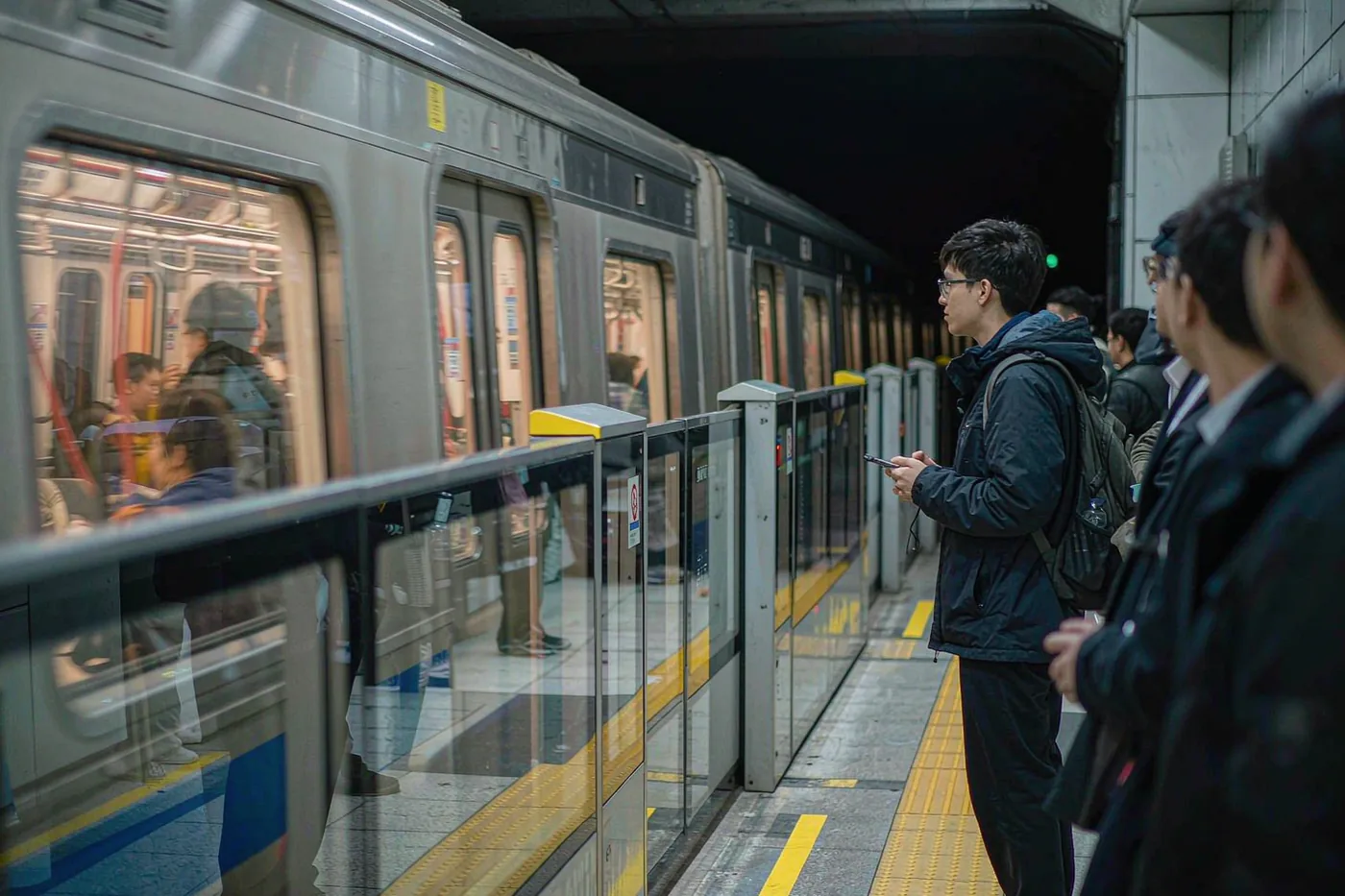
How International Students Can Travel Around China Easily
China transportation is among the most advanced in the world — metros, high-speed rail, buses and ride-hailing cover almost every city. For international students, traveling around China may seem complicated at first because of:
Check the official source before you act
This guide reflects rules and prices as published by Chinese authorities and providers, and was last reviewed in September 2026. Rules, fees, platform features and deadlines change, and city offices and branches apply them differently. Confirm the current position with your city’s metro or bus operator, 12306 for rail, or your airline before you rely on any figure below.
Last reviewed: September 2026 · Part of our Arrival & Settling In guide series.
However, once you understand the basics, getting around China is usually convenient, affordable, and efficient. This guide explains the main transportation options international students will use, including:
At a glance
Quick answer
Use the subway for daily trips, high-speed rail between cities and DiDi for door-to-door. Buy train tickets on 12306 or Trip.com with your passport and arrive 45+ minutes early for security. Set up your Alipay or WeChat transport code before your first ride — it replaces paper tickets — and avoid Spring Festival and National Day travel if you can.
| Transportation | Best For | Cost | Recommended For |
|---|---|---|---|
| Subway / Metro | City travel | Low | Daily commuting |
| High-Speed Rail | Between cities | Medium | Weekend trips & holidays |
| DiDi | Door-to-door travel | Medium | Airport, luggage, late nights |
| Bus | Short local trips | Very low | Campus areas |
| Domestic Flights | Long distances | Higher | Very far destinations |
For most international students, the most frequently used combination is: Metro + Alipay + DiDi + High-Speed Rail
For daily transportation, the subway is usually the best choice. Major Chinese cities such as:
have extensive metro networks. Metro systems are: ✅ Affordable
✅ Fast
✅ Safe
✅ Easy to understand after practice
Most major stations provide:
Recommended apps:
Search:
The app will show:
There are several options.
This is the most convenient method. Usually:
Then scan your QR code at subway gates.
You can buy a single journey ticket. Usually:
Most machines support:
Busy periods: Morning: 7:30 – 9:30
Evening: 17:00 – 19:30
During these times, subway trains can become extremely crowded.
Most subway stations require:
This is normal throughout China.
About these times: the journey times below are typical fastest services, not a schedule. Check live times and fares in 12306 before you plan a connection or a day trip.
China’s high-speed railway system connects most major cities. For students, high-speed rail is often the best choice for:
Examples:
| Route | Approximate Time |
|---|---|
| Beijing → Shanghai | About 4.5-6 hours |
| Shanghai → Hangzhou | About 1 hour |
| Xi’an → Chengdu | About 3-4 hours |
| Beijing → Tianjin | About 30 minutes |
High-speed rail is often faster than flying when airport transportation and security procedures are included.
Many international students prefer Trip.com because:
Bring: ✅ Passport
✅ Ticket information
✅ Arrival time confirmation
Your passport is important because train tickets in China use real-name registration.
You may see different train numbers:
Fastest high-speed trains. Usually recommended.
High-speed but slightly slower.
Short-distance city connections.
Common options:
Most popular. Good balance:
More space.
Premium option. Usually unnecessary for students.
DiDi is similar to Uber. It is useful when:

You can access DiDi through:
Many drivers may not speak English. Prepare Chinese addresses for:
Example:
Showing Chinese text is usually easier.
Common options:
Most affordable. Recommended for students.
Official taxis.
More expensive.
Buses are common in Chinese cities. Advantages:
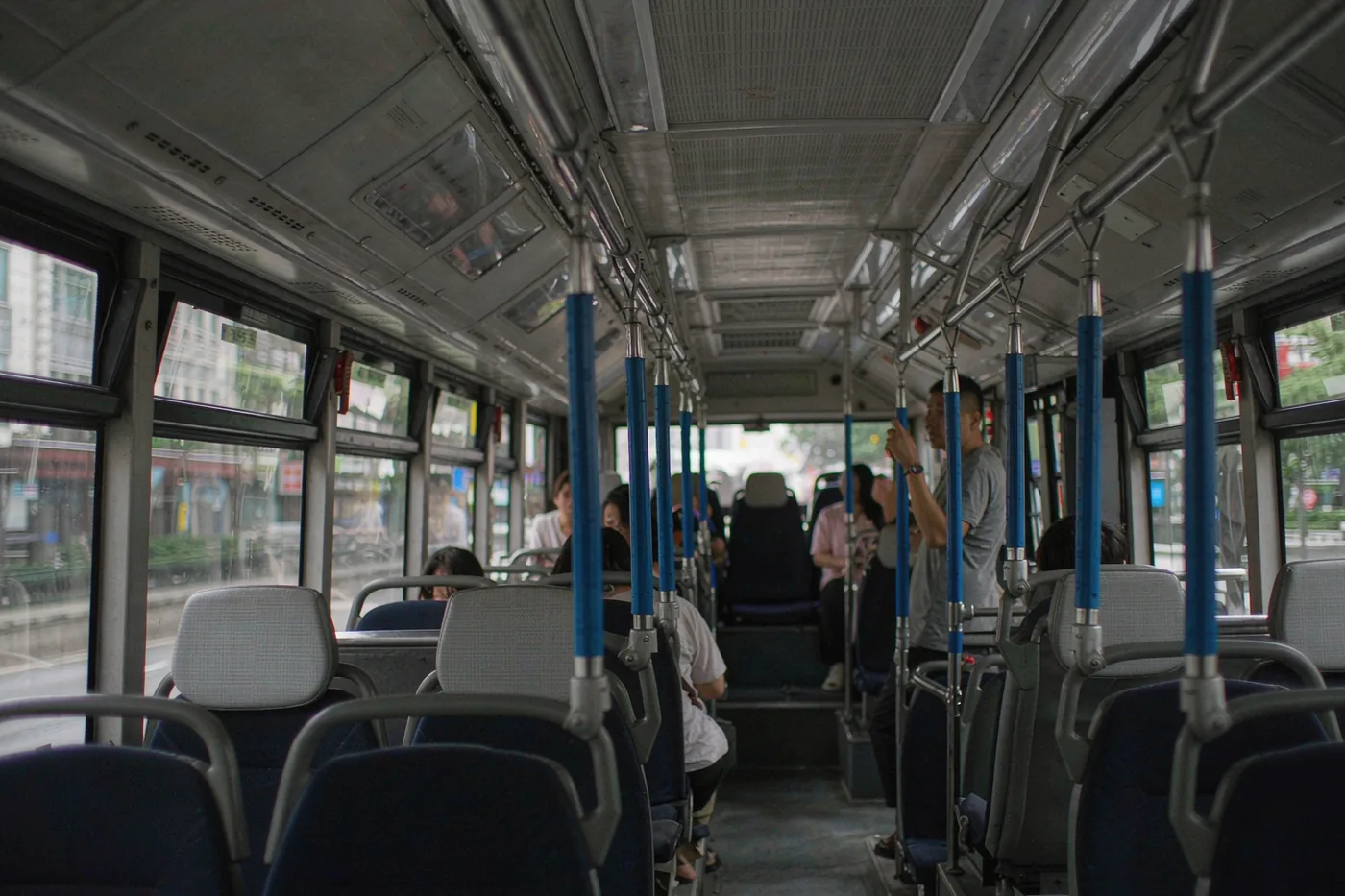
Disadvantages:
Useful for:
Payment methods:
When you first arrive in China, common options are:
Best for:
Available in many cities.
Recommended when:
Before arrival: Prepare:
China has several major travel periods:
Usually January or February.
October 1-7. During these periods:
Book transportation early whenever possible.
Solution: Use Chinese names. Example: Instead of:
Search:
Remember: Chinese railway stations can be very large. Arrive early. Recommended:
Solution: Use:
| Chinese | Meaning |
|---|---|
| 地铁 | Subway |
| 高铁 | High-speed rail |
| 火车站 | Railway station |
| 机场 | Airport |
| 出租车 | Taxi |
| 多少钱 | How much |
| 我要去这里 | I want to go here |
| 下一站 | Next station |
| 换乘 | Transfer |
Before traveling in China, install: ✅ Alipay
For payment and transportation cards
✅ WeChat
For communication
✅ Amap
For navigation
✅ DiDi
For taxis
✅ 12306
For trains
✅ Trip.com
For international-friendly booking
China’s transportation system may look complicated when you first arrive, but it quickly becomes one of the most convenient parts of daily life. For international students, the key is learning the basic system:
Once you understand these tools, traveling around China becomes simple and enjoyable.
Free resource
China Arrival Checklist
Land, register and settle in without forgetting the one form that matters. A one-page checklist covering airport arrival, police registration, SIM card, bank account and housing paperwork, in the order you actually need to do them.
Related guides
Next step
Getting around is easier with the right apps installed before you land.
Set up the essential appsOfficial resources: DiDi Global — the ride-hailing app that works for foreigners.
Disclaimer: Rules, prices and platform features in China change frequently and can vary by city, institution and individual circumstances. Always confirm with the relevant authority or provider before making arrangements.
