The China Helper
Your practical guide to studying, living and learning in China.
The China Helper
Your practical guide to studying, living and learning in China.

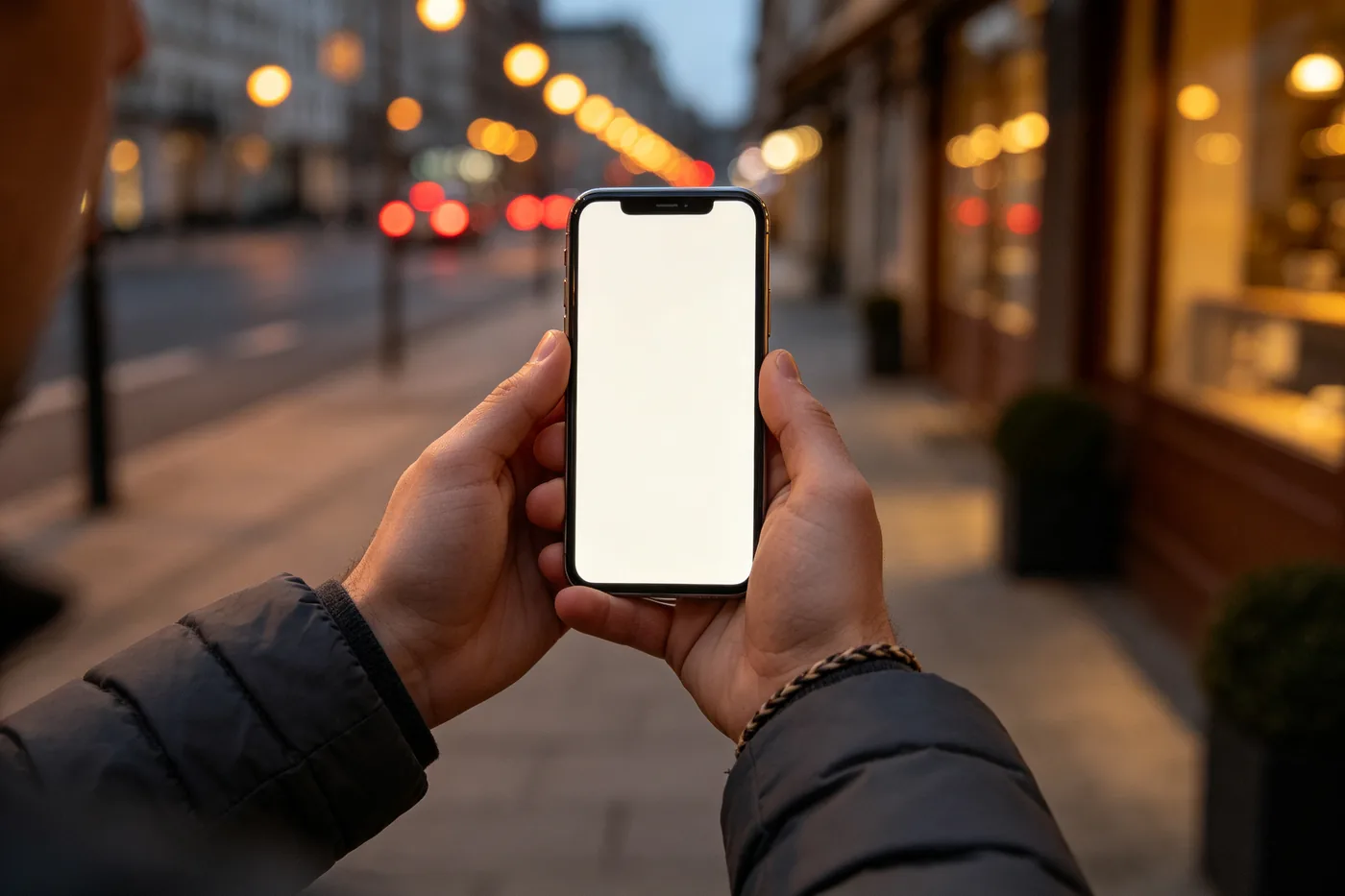
In most countries, bills arrive as paper you grudgingly pay. In China, most utilities run through your wallet app, a chunk of them are prepaid, and the first time your electricity cuts out mid-cooking you will learn the system very fast. This guide walks through every bill you are likely to meet — electricity, water, gas, broadband, phone — in a dorm, your own flat or a shared one, plus the one scam that targets exactly this routine.
Check the official source before you act
This guide reflects utility payment practices as commonly offered by Chinese providers and wallet apps, and was last reviewed in September 2026. Billing cycles, payment channels and app layouts differ by city and provider, and they change. Confirm with your provider’s official app, your landlord, or your university’s housing office before you rely on any step below.
Last reviewed: September 2026 · Part of our Life in China guide series.
At a glance
Quick answer
Most bills in China are paid inside Alipay or WeChat under their utility payments section: pick your city, choose the provider, enter the account number from your meter or contract, and pay. Electricity is commonly prepaid — top up before the balance empties or the power cuts. In dorms, use the campus card system. For phone and broadband, top up in the carrier’s app or your wallet. Never pay a bill from an SMS link: cutoff notices come inside the official app, and anything demanding urgent payment elsewhere is a scam.
Chinese utilities do not all behave the same way, and the single most useful thing you can do in week one is work out which of your bills are prepaid (pay first, use after) and which are monthly (use first, pay after).
| Bill | Typical model | Where you pay | The gotcha |
|---|---|---|---|
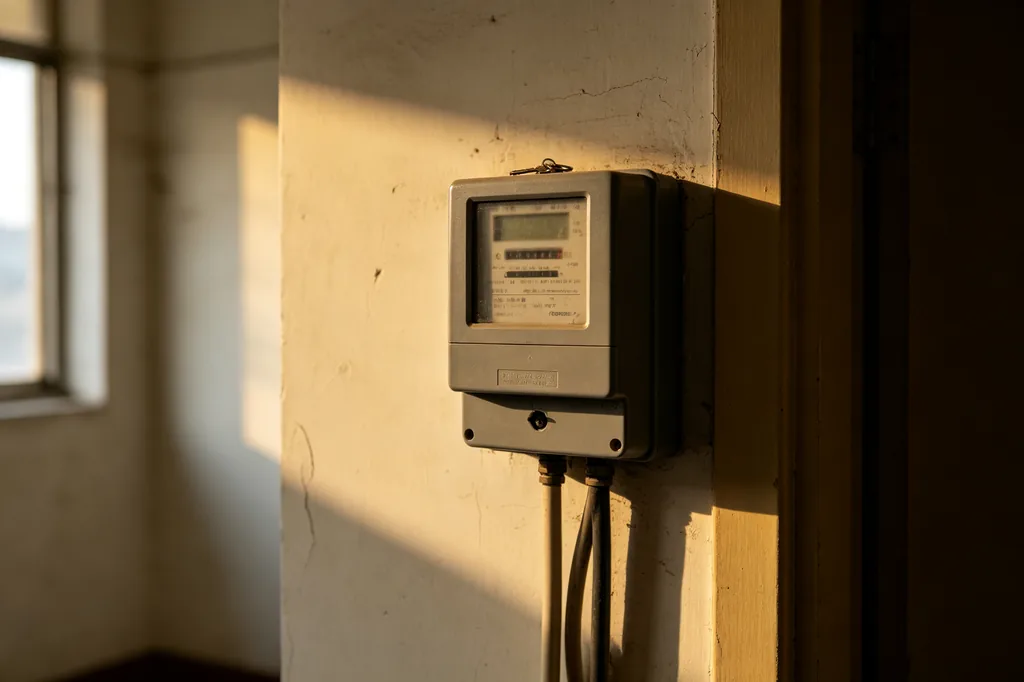
| Electricity | Often prepaid meter or prepaid account | Wallet app utility section / property office | Cuts without warning when balance hits zero |
| Water | Monthly bill or prepaid | Wallet app / property office | Account number is on the meter or contract |
| Gas | Prepaid card meter or monthly | Wallet app / bank counter | Card meters need a physical top-up visit |
| Broadband | Prepaid annually or monthly | Carrier app / wallet | Often installed under the landlord’s name |
| Mobile | Prepaid top-up (most students) | Carrier app / wallet | Number suspends when credit runs out |

Alipay and WeChat both have a utilities section (生活缴费). The flow is the same in both, and once you have done it once, every future bill takes seconds:
If you need a walk-through of the apps themselves, start with our essential apps guide and the payment setup in our Alipay guide.
Most international students run prepaid mobile plans: you top up credit, then buy a monthly package. Top up inside the carrier’s app or directly in your wallet app by entering your number — both work. If your number suspends for lack of credit, a top-up usually reactivates it quickly, which is one more reason to keep a little balance in reserve. Our SIM card guide covers choosing the plan itself.
Broadband in flats is often paid annually in advance, and it is frequently installed in the landlord’s name — meaning the contract, and the payment, sit with them. Clarify in writing who pays and how, before you sign anything. In dorms, internet usually comes through the campus network with its own account.
University dorms typically run electricity and sometimes water through a campus card — a prepaid chip card (or its app equivalent) that you recharge at machines in the lobby or through the university app. Expect a monthly or per-semester electricity quota included, with anything above it at your cost, especially if you run an air conditioner.
In a shared flat the bills may sit with the landlord, an agent, or one tenant’s name. Before moving in, get clarity on three things: whose name is on each account, how you will be charged (metered share, headcount split, or a flat monthly add-on), and what proof you get — a screenshot of the actual bill, not just a number in the group chat. If a bill is in your name, you own the payment obligation even if a flatmate falls behind, so put your name only on accounts you are prepared to manage.
The cutoff text message
You receive an SMS: your electricity will be cut within hours; tap this link to pay. Real providers do not collect payment through SMS links — cutoff and balance notices arrive inside the official app or on the meter itself. Pay only in the wallet app or provider app you set up yourself, verify the account number, and delete the message. If you already tapped and paid, contact your bank and the police (110) immediately.
Five minutes a week beats the 23:00 blackout every time. And the records double as part of the financial paperwork covered in our cost of living guide — a full picture of where your money actually goes.
Free resource
Free China downloads
Checklists, phrase sheets and character packs you can print and keep — built for students in their first weeks in China.
Related guides
Next step
Bills are only half the money picture — the other half is knowing what a normal month actually costs.
See the cost of living breakdownDisclaimer: Rules, prices and platform features in China change frequently and can vary by city, institution and individual circumstances. Always confirm with the relevant authority or provider before making arrangements.
