The China Helper
Your practical guide to studying, living and learning in China.
The China Helper
Your practical guide to studying, living and learning in China.

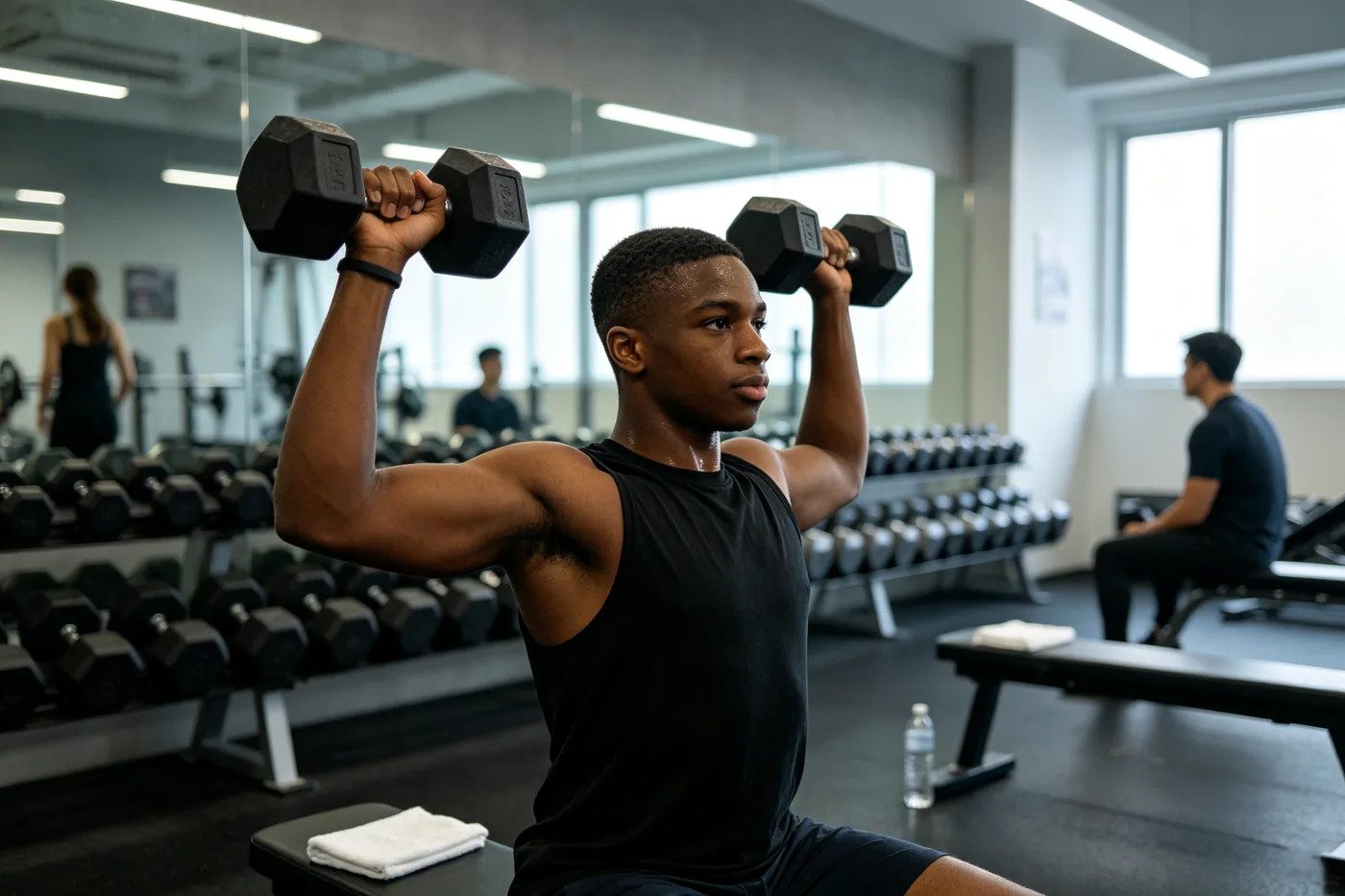
Staying active in China is easy once you know where people actually go, and confusing until you do. There are commercial gyms with monthly memberships, campus facilities that are free or nearly free, twenty-four-hour self-service gyms you enter with a QR code, and — the thing most newcomers underestimate — a great deal of exercising that happens outdoors in parks and on campuses for nothing at all. This guide covers what each option costs, how to book and pay without speaking much Chinese, the unwritten rules inside a Chinese gym, and what to check before you sign an annual contract.
Check the official source before you act
This guide reflects how gyms and sports facilities commonly operate in Chinese cities and was last reviewed in September 2026. Prices, membership terms and booking platforms change frequently and vary enormously between cities and between a city-centre and a campus location. Confirm current prices and contract terms directly with the facility before paying.
Last reviewed: September 2026 · Part of our Life in China guide series.
At a glance
Quick answer
Start with your university’s sports facilities, which are usually free or very cheap. If you want a commercial gym, compare a monthly pass with an annual contract, and ask in writing what happens if you leave the city or need to freeze the membership. Expect to book group classes through a WeChat mini-programme and to pay by QR code. Inside the gym the norms are simple: wipe down equipment, put weights back, and do not film people without asking. Parks and campuses offer running, outdoor equipment and group exercise for free.
Most students only discover two of these. It is worth knowing all four before spending anything, because the cheapest option is usually also the most social.
| Option | Typical cost | Suits |
|---|---|---|
| University sports hall / track | Free to very low for students | Everyone — start here before paying for anything |
| Commercial gym | Monthly or annual contract; city-centre branches cost noticeably more | Serious training, swimming, classes on a fixed schedule |
| 24-hour self-service gym | Usually cheaper, shorter contracts | Shift-friendly schedules, small spaces, minimal staff |
| Parks and outdoor equipment | Free | Running, bodyweight training, joining group exercise |
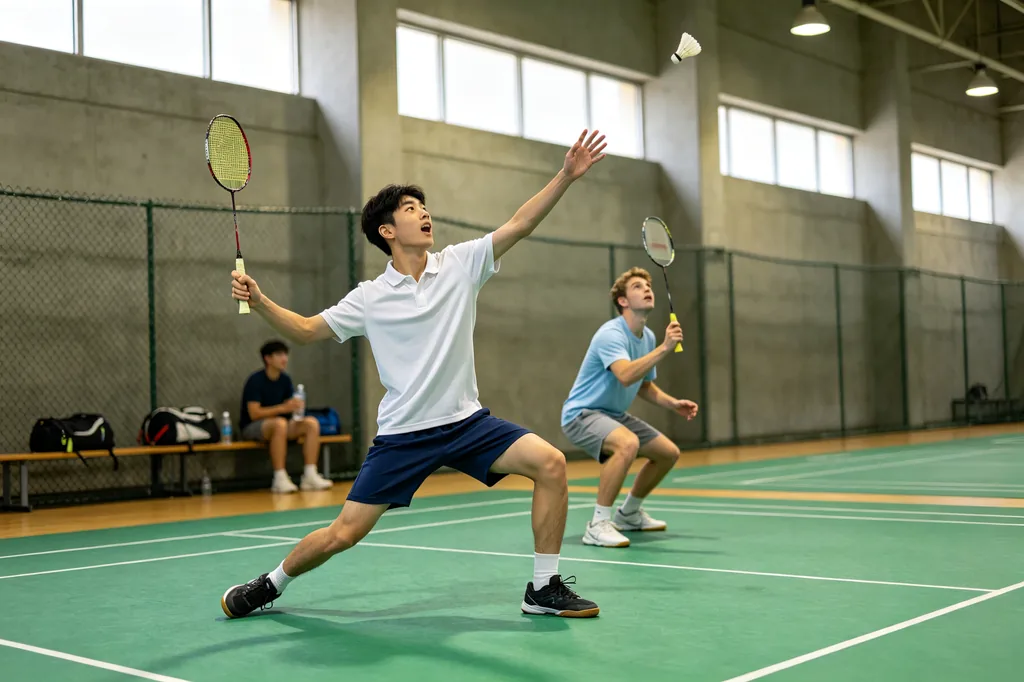
Chinese universities typically have a sports hall, an outdoor track, courts for basketball, badminton and table tennis, and rows of outdoor fitness equipment along a path. Access is usually via your student card, sometimes with a small booking fee for indoor courts. Badminton and table tennis are where you will most easily meet people — both are widely played and a beginner at a public court will usually be invited into a game. Ask at the sports office or in a student group for the booking method, which is often a WeChat mini-programme.
Swimming pools, where they exist, commonly require a swimming test or a cap, and sometimes a health check form. Ask first rather than turning up with a towel.
Gyms price aggressively by contract length: a year is dramatically cheaper per month than a single month, and staff are trained to sell the year. That is a good deal if you stay and a bad one if you do not. Before you sign, ask three questions and get the answers in writing in a chat message: can the membership be transferred to another person, can it be frozen if you leave for a holiday or an internship, and is any part refundable if you leave the country. Memberships that answer no to all three are common, and knowing that in advance is worth more than the discount.
The front desk is the fallback and works fine, but most booking now happens in a WeChat mini-programme or the gym’s own app — selecting a class, a court or a time slot and paying by QR code. The vocabulary you actually need is short: the days of the week, times, and the words for book and cancel. If a class page is entirely in Chinese, ask the front desk to book it for you the first time and watch what they tap. Our essential apps guide covers the platforms that make this easier.
Popular classes — spin, yoga, dance — can fill within minutes of the booking window opening. Ask when the window is and set an alarm.
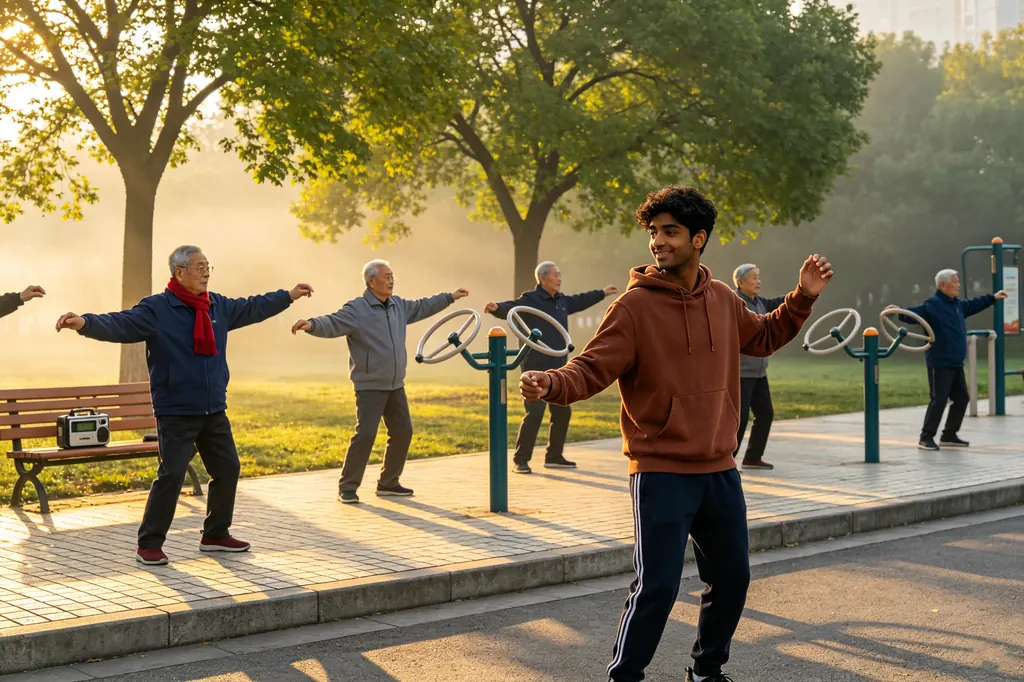
Parks in Chinese cities are genuinely busy with exercise, especially early morning and after dinner. You will see running clubs, badminton played across a path, tai chi and group dance sessions, and outdoor equipment areas that function as free gyms. Joining a group dance or exercise session is welcome and is one of the fastest ways to feel part of a neighbourhood — see our culture and social life guide. Campus tracks in the evening are likewise full and free.
If you are training seriously or playing contact sport, check what your insurance actually covers — university group policies in China vary, and sports injuries are a common exclusion. Our healthcare and insurance guide explains what to check. In summer, outdoor training in the heat is the real risk: train early or late, and carry water.
Before you sign an annual contract
Two things decide whether a gym membership in China is a good purchase: whether you will still be in the city in nine months, and whether the contract can be frozen or transferred. If the answer to the second is no, buy a month first and see whether you actually go. Gyms close and relocate, and long contracts are the reason students lose money on them.
Free resource
Free China downloads
Checklists, phrase sheets and character packs you can print and keep — built for students in their first weeks in China.
Related guides
Next step
Gyms are one line in a budget. See the full monthly picture for your city, including what students typically spend on food, transport and leisure.
Open the cost of living guideDisclaimer: Rules, prices and platform features in China change frequently and can vary by city, institution and individual circumstances. Always confirm with the relevant authority or provider before making arrangements.
