The China Helper
Your practical guide to studying, living and learning in China.
The China Helper
Your practical guide to studying, living and learning in China.


China is, by most measures, a safe country to live in — violent crime against foreigners is rare and walking home late is unremarkable in most cities. The risks that do exist are different from what you may be used to: street-level scams aimed at visitors, everyday traffic, and the practical problem of not knowing what to do when something goes wrong in a language you don’t speak. This guide covers the numbers to save, the scams that actually get reported, how to deal with the police, and the small preparation that turns a bad day into a manageable one.
Check the official source before you act
This guide reflects commonly reported safety guidance for international students in China and was last reviewed in September 2026. Scams, local procedures and emergency arrangements change, and they vary by city. Confirm current advice with your university’s international student office, your embassy or consulate, and the local police before relying on any of it.
Last reviewed: September 2026 · Part of our Life in China guide series.
At a glance
Quick answer
China is generally safe, and the problems international students actually hit are scams, traffic and paperwork. Save 110 (police), 119 (fire), 120 (ambulance) and 122 (traffic) in your phone today, and add your university’s international office and a Chinese-speaking friend as backups because English on the emergency lines is not guaranteed. If you are scammed or robbed, report it to the police and get the written report — you will need it for insurance and, if your passport is lost, for the replacement process.
| Number | Service | What to know |
|---|---|---|
| 110 | Police | The one number to use for crime, theft, or if you are being threatened. Some operators in big cities have English support; don’t rely on it. |
| 119 | Fire | Also used for many rescues and building emergencies. |
| 120 | Ambulance | Private and public hospitals both respond; you usually pay before treatment. |
| 122 | Traffic accidents | For collisions and road incidents — call this as well as 110 if anyone is hurt. |
Beyond the national numbers, save three contacts of your own: your university’s international office (they will interpret for you and know the local stations), one Chinese-speaking friend who has agreed in advance to take a call, and your embassy or consulate. Our healthcare and insurance guide covers what happens at a Chinese hospital, including payment.
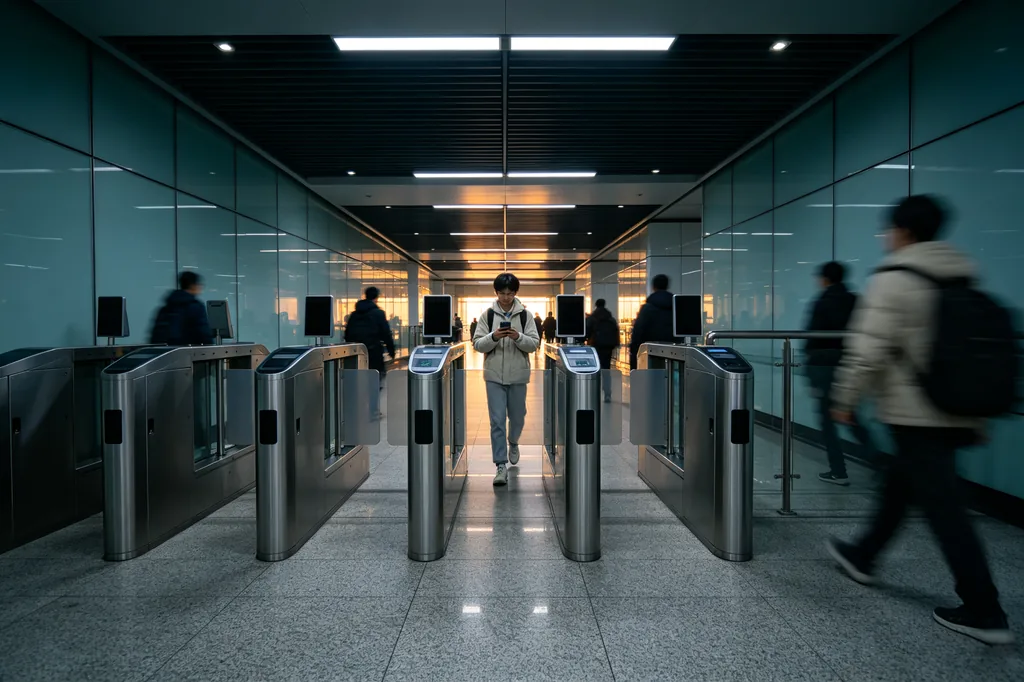
These are reported consistently enough to be worth knowing in advance. The pattern is always the same: a friendly stranger, a plausible social setting, and a bill or a request you cannot easily refuse.
Someone friendly — often a young person practising English — suggests showing you a traditional tea ceremony, an art gallery or a “student exhibition”. You are taken to a venue, served, and presented with a bill far larger than anything you would normally pay, sometimes with intimidating staff present. The defence is simple: don’t follow strangers to a second venue, and agree a price before you consume anything. If it happens, pay if you feel pressured, leave, and report it to 110 — these operations are known to police in most big cities.
At airports and stations, drivers approach travellers inside the terminal and quote a flat fare, or a taxi has a tampered meter. Use the official taxi queue outside the terminal, insist on the meter (打表, dǎ biǎo), or book a ride-hailing car through an app — covered in our essential apps guide. Photograph the licence plate before you get in.
A night out ends with a bill far above what you ordered, sometimes with unfamiliar “hostess” or “room” charges. Ask for an itemised bill before paying; if the total is disputed, do not escalate alone — call the police or your international office.
Paying a deposit for a flat you have not seen, or to someone who is not the landlord, is the most expensive mistake students make. Our renting, contract and deposit guide sets out how to verify who you are dealing with before any money moves.
Real police in China are approachable and used to helping foreigners, but imposters exploit that. Legitimate officers identify themselves and, in any formal interaction, act through a station.
Statistically, the thing most likely to hurt you in China is not crime, it is traffic — and specifically electric scooters and delivery riders, which are fast, near-silent, and often on the pavement.
Keep offline copies
Everything on this list should be reachable without an internet connection and without unlocking your phone with a fingerprint you may not be able to use. A printed card in your wallet costs nothing and works when your battery doesn’t.

Free resource
Free China downloads
Checklists, phrase sheets and character packs you can print and keep — built for students in their first weeks in China.
Related guides
Next step
Safety is easier when the everyday logistics are sorted — the apps for maps, payments and transport are the ones you’ll rely on most.
Set up your essential appsDisclaimer: Rules, prices and platform features in China change frequently and can vary by city, institution and individual circumstances. Always confirm with the relevant authority or provider before making arrangements.
