The China Helper
Your practical guide to studying, living and learning in China.
The China Helper
Your practical guide to studying, living and learning in China.


Why the first months feel hard, how to make Chinese and international friends, unwritten social rules, and where to find your community.
Culture shock in China is real, predictable and temporary. This guide explains the adjustment curve, what actually helps in the first month and how to build a social life beyond the international bubble.
How to use this guide
This guide reflects what international students commonly report about settling in — it is experience, not policy. For anything that touches your enrolment, visa, housing, insurance or health, your university’s international student office is the authority; if the low mood persists, use your university’s counselling service rather than self-diagnosing.
Last reviewed: September 2026 · Part of our Life in China guide series.
At a glance
Quick answer
Culture shock follows a predictable curve, and the low point usually lands around weeks four to eight. What helps: closing the small daily-friction gaps early (payments, SIM, registration), joining language exchanges and university clubs to meet Chinese friends, and reading indirect answers correctly — “maybe” often means no. If low mood lasts beyond a few weeks or stops you functioning, use your university counselling service.
Almost everyone who studies in China goes through a version of the same thing: an exhilarating first fortnight, a flat and disorienting month somewhere around week five, and then a slow, uneven climb back to feeling at home. Very few students are warned about the middle part, which is why so many conclude something is wrong with them personally. Nothing is. This guide sets out what culture shock actually looks like here, why it peaks when it does, how to build a social life that includes Chinese friends rather than only other foreigners, and when the low mood is worth getting help for.
The standard model has four phases, and knowing where you are on it is genuinely useful — mostly because it tells you the bad part is temporary and scheduled rather than permanent.
| Phase | When | What it feels like |
|---|---|---|
| Honeymoon | Weeks 1–3 | Everything is novel, exciting and photogenic. You are energised by the difference. |
| Frustration | Weeks 4–8 | Novelty wears off, language fatigue sets in, small tasks feel exhausting. Irritability, homesickness, withdrawal. |
| Adjustment | Months 2–4 | You have routines, a few friends, places you like. Life starts working. |
| Acceptance | Month 4+ | China is ordinary rather than strange. You have opinions about it, and some of them are critical — which is a sign you belong. |
Two things to note. First, the curve is not a straight line — you will bounce between phases, and returning from a holiday at home often triggers a second, shorter dip. Second, the frustration phase arriving around week five is so consistent that universities plan orientation around it. It is not a personal failure.
Students brace themselves for the big cultural differences — different values, different humour, different food. What actually wears people down is far more mundane: the cumulative exhaustion of not being able to handle ordinary tasks independently.
Ordering a coffee. Explaining to a delivery rider where you are. Reading a form. Working out why a payment failed. Being unable to read the group chat where everyone is arranging plans. Each one is trivial; forty of them a day is not. This is sometimes called the “cognitive tax” of living in a second language, and it is why you may feel tired at the end of a day in which you did nothing unusual.
The practical implications:
Ranked by how much difference students report it makes:
This is the thing international students most want and most assume is difficult. It is easier than the reputation suggests, for a specific reason: many Chinese students genuinely want to practise English and are at least as nervous about approaching you as you are about approaching them.

What works:
On the friendship style difference: Chinese friendships often form more slowly than Western ones but run deeper once established, with higher expectations of mutual help. You may find people are less likely to invite you to their home early on, and far more likely to do you a substantial favour later. Adjust your expectations rather than reading it as distance.
Nearly every international student ends up in a bubble to some degree, and the bubble is not bad — it is where you process the experience with people who understand it. The problem is only when it becomes total, because then you can spend a year in China without China.
A reasonable balance: keep the international community as your support base, and build at least two or three genuine relationships outside it. Students who do tend to describe their year very differently from those who do not — more fluent, more confident, and considerably less likely to leave feeling they never really understood the place.
The bubble forms easily because the infrastructure supports it: international dorms, English-taught programmes, WeChat groups that arrange everything in English, and restaurants and bars that cater to foreigners. None of it is wrong; it just needs to be a choice rather than a default.
A few patterns cause the most confusion, because they are rarely explained:
| Situation | What is happening | How to respond |
|---|---|---|
| “Maybe” / “I’ll think about it” | Often a polite no. Direct refusal risks loss of face for both sides. | Do not push. Offer an easy way out and move on. |
| Whoever invites, pays | Splitting the bill is not default; the host pays and guests reciprocate next time. | Make a show of offering, then reciprocate by hosting next time. |
| Compliments deflected | Praise is routinely downplayed. Accepting it directly can read as arrogant. | Give compliments freely; do not be put off when they are waved away. |
| Direct questions about salary, age, weight, relationships | Not rude here in the way they are at home. Genuine interest and care. | Answer, deflect lightly, or answer vaguely. Do not take offence. |
| Being looked at or photographed | Curiosity, particularly outside big cities. Not hostility. | Usually harmless. Smile, or ignore it. Ask politely if a photo bothers you. |
| Group harmony over individual preference | Decisions tend toward consensus; open disagreement is uncomfortable. | Express preferences gently and privately rather than in the group. |
Beyond university, several routes reliably work:
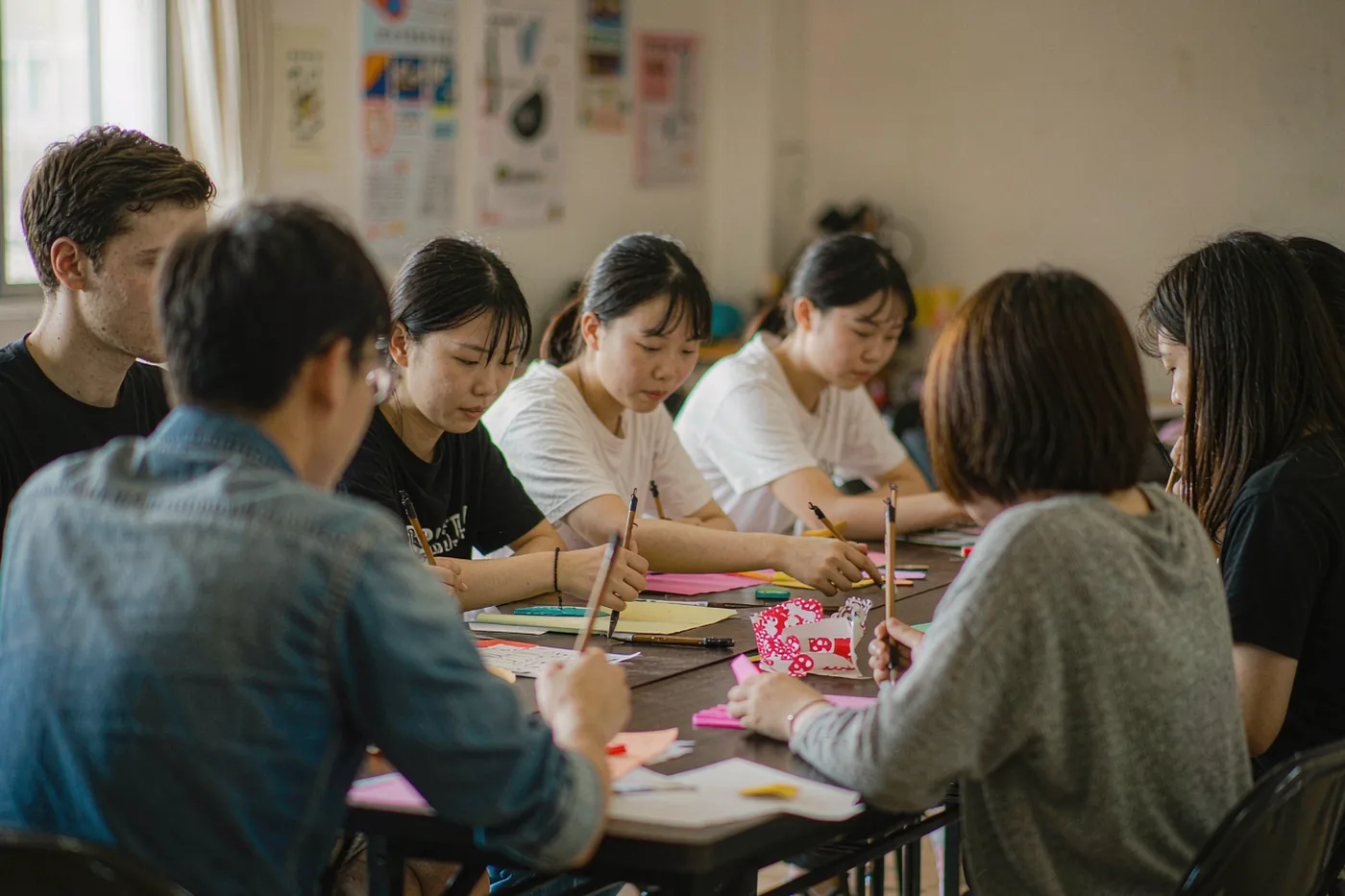
The practical mechanism for all of these is WeChat groups. Join them, lurk until you understand the norms, then show up to something in person. Online membership does nothing; physical attendance twice does everything.
Culture shock is normal. Clinical depression is not, and the two are easy to confuse because their early symptoms overlap — low mood, withdrawal, sleep disruption, loss of motivation.
Signs worth acting on:
What to do: register with your university’s counselling service — most have one, and the better ones are genuinely good. If it is not adequate, ask the international office for external referrals; English-language counselling exists in the big cities. Tell someone at home. And keep a note of your embassy’s contact details.
There is more on how mental health support works here, and what student insurance does and does not cover, in the healthcare guide.
Almost everyone who studies in China has a stretch where they wonder why they came. It passes, and the students who get through it well are not the ones who avoided the dip — they are the ones who kept going to badminton on Thursdays, said yes to the fourth group dinner, and did not mistake a predictable phase for a personal verdict. Get functional Chinese quickly, build one or two real friendships outside the international bubble, and give it a full semester before you judge the experience.
Free downloads
Free China downloads for international students
Free downloads for life in China: budget templates, city guides and student checklists.
Related guides
Next step
The fastest way out of the frustration phase is functional Chinese — start with pinyin, and you will be reading signs within days.
Start with the pinyin guideCommunity resources: InterNations — expat communities and events in most Chinese cities (a private network, not an official body). For anything that touches your enrolment, visa, housing or insurance, the authoritative source is your university’s international student office; national policy sits with the Ministry of Education and the Study in China portal.
Disclaimer: University regulations, campus services and local practice differ by institution and city. Always confirm with the relevant authority, institution or official source before you rely on it.
