The China Helper
Your practical guide to studying, living and learning in China.
The China Helper
Your practical guide to studying, living and learning in China.

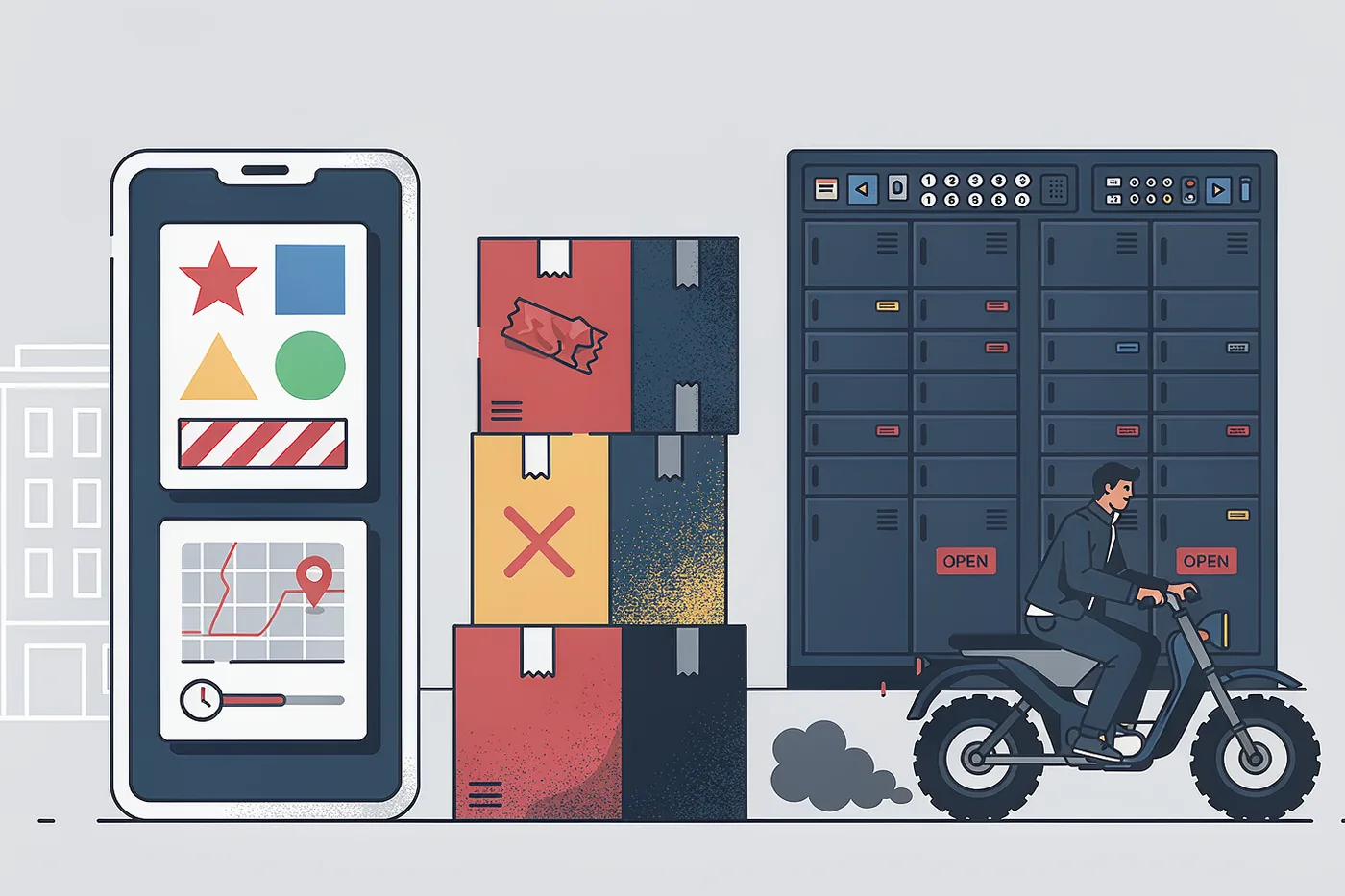
Set up accounts, pay, read listings, track parcels and collect packages from lockers — a beginner's guide to shopping online in China.
Online shopping in China is faster and cheaper than almost anywhere on earth. This guide compares Taobao, JD and Pinduoduo, explains setup with foreign cards, and how delivery, returns and disputes work.
Check the official source before you act
This guide reflects rules and prices as published by Chinese authorities and providers, and was last reviewed in September 2026. Rules, fees, platform features and deadlines change, and city offices and branches apply them differently. Confirm the current position with the platform’s official help centre, or the market regulator for disputes before you rely on any figure below.
Last reviewed: September 2026 · Part of our Life in China guide series.
At a glance
Quick answer
Taobao for variety and price, JD for speed and reliability, Pinduoduo for the cheapest option. You need a Chinese phone number plus Alipay or WeChat Pay — there is no way around it. Delivery is usually next day or same day in cities, but parcels rarely reach your door: expect a pickup point, locker or campus collection tent and an SMS with a code. Most platforms allow returns within seven days.
Online shopping in China is not a convenience layered on top of retail — it is the default way people buy almost everything, and it is faster, cheaper and more sophisticated than what you are probably used to. Duvets, phone chargers, stationery, textbooks, furniture, groceries and hot meals all arrive the same day or the next morning. The friction is all at the front end: accounts, payment and addresses are set up in Chinese, for Chinese users. Get through that once and the rest is straightforward.
Three reasons make this worth your time. First, price — a phone case that costs ¥80 in a campus shop is ¥9 online. Second, range — physical stores in smaller cities often do not stock what you need, and online is the only realistic option. Third, convenience — you can order groceries at 11pm and have them before breakfast.
It also removes a real obstacle: the language barrier. Shopping online means browsing at your own pace with a translation app open, instead of trying to explain what you want to a shop assistant. Many students find online shopping easier than shopping in person for their first year.
Budget-wise this matters too. Setup costs for a dorm or apartment — bedding, storage, kitchen basics — are dramatically cheaper online than in physical stores. See the cost of living guide for where these one-off costs sit in a monthly budget.
| Platform | Best for | Delivery speed | Watch out for |
|---|---|---|---|
| Taobao (淘宝) | Everything. The default. | 2–4 days typical | Huge quality variance between sellers. Check ratings carefully. |
| JD (京东) | Electronics, appliances, anything you need fast | Same day / next day | Slightly pricier, but own warehouses and far more reliable. |
| Pinduoduo (拼多多) | Rock-bottom prices, household basics | 3–5 days | Lowest quality tier. Fine for cables and hangers, not for shoes. |
| Dewu (得物) | Sneakers, streetwear, authentication | 2–5 days | Pricier, but verifies authenticity — useful where fakes are common. |
| Tmall (天猫) | Branded goods, official stores | 2–4 days | Taobao’s brand-verified sibling. Same app, safer sellers. |
| Xiaohongshu (小红书) | Discovery, reviews, beauty and lifestyle | Varies | Part social network. Excellent for finding what is actually good. |
| Meituan / Ele.me | Groceries, food, medicine, urgent items | 30–60 minutes | Same apps as food delivery, now with a shopping tab. |
The simple rule: buy electronics and anything urgent from JD. Buy everything else from Taobao. Use Pinduoduo when the item is simple and you truly do not care.
Registration requires a Chinese phone number, so this comes after getting a SIM card. With a number in hand, the process is:
The address is the single most important field. Write it in Chinese, in the standard order: province, city, district, street, building number, room. Get a Chinese friend, your landlord or the accommodation office to write it out once, save it as a note, and paste it every time. Add a landmark — the nearest gate, a shop, a building name — because couriers navigate by those.
A typical address looks like: 北京市海淀区学院路30号 北京科技大学 3号楼 512室 (room 512, building 3, university, street, district, city). The order is largest to smallest, the reverse of Western convention.
Payment runs through Alipay or WeChat Pay, which means setting up Alipay and WeChat Pay comes first, and both are far easier once you have a Chinese bank account. International cards work on both platforms now, but with fees and occasional failures; a local card removes those entirely.
Once linked, checkout is a single tap with a six-digit PIN or a fingerprint. Taobao holds your money in escrow and only releases it to the seller after you confirm receipt — which is your main protection if something goes wrong.
One quirk: Taobao has a “confirm receipt” (确认收货) button. Do not press it until the item is actually in your hands and checked. Pressing it releases payment and shortens your window to dispute.
Listings are dense with information that does not translate cleanly. Key things to read:
For anything where quality matters — shoes, electronics, furniture — searching on Xiaohongshu for reviews first will save you money. It is the closest thing China has to a consumer-reviews layer, and it is where Chinese students themselves check before buying.
Watch for the big sale dates: June 18 (618) and November 11 (Singles’ Day, 双十一) are the two genuine discount events. Prices drop substantially, and delivery networks slow to a crawl for about a week around them.
Delivery in China does not usually mean a knock at the door. Three systems are common:
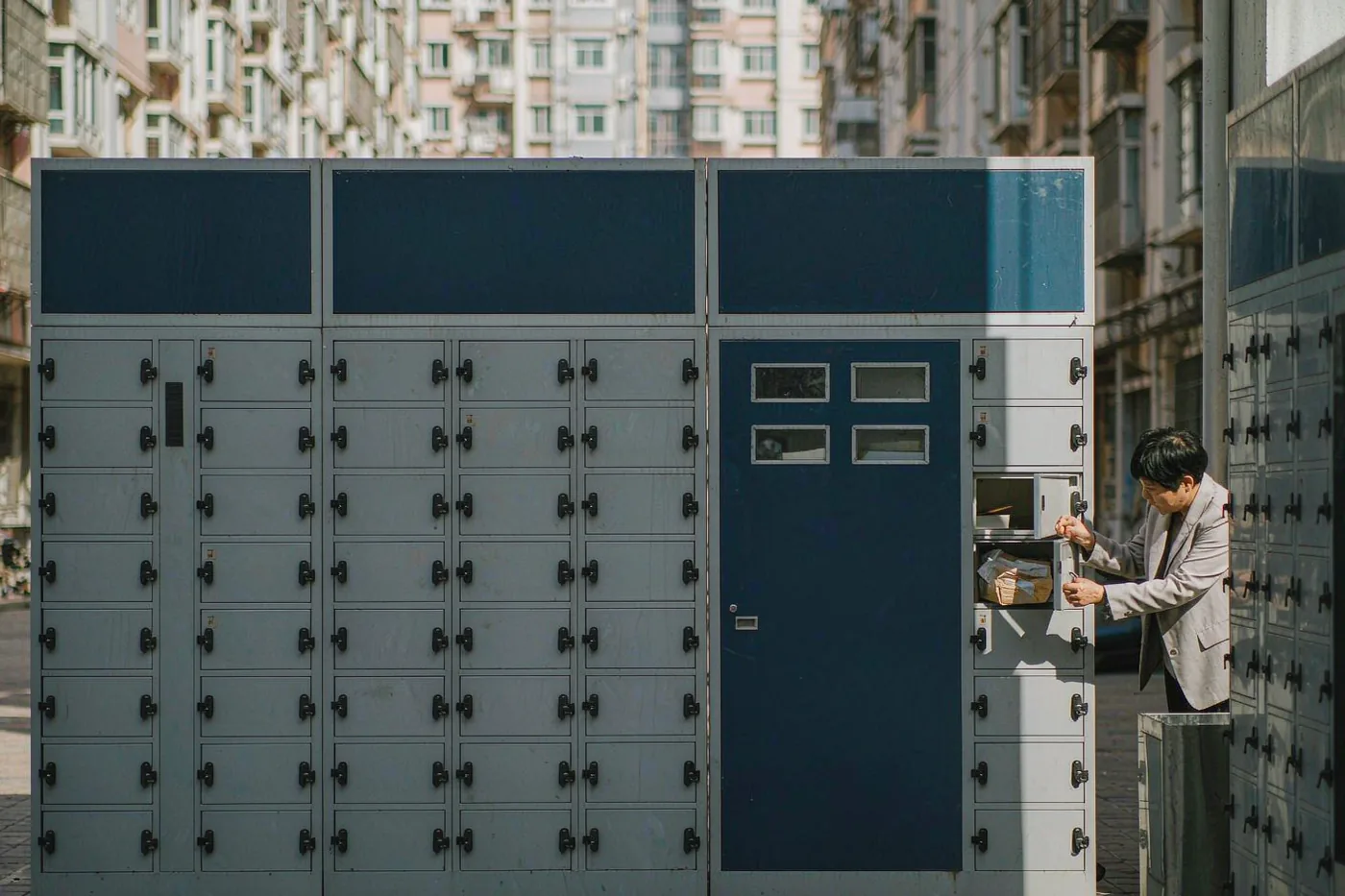
The SMS with the pickup code is your parcel’s identity. Keep your Chinese SIM active and check messages — an uncollected parcel gets returned after roughly three to seven days depending on the courier.
Most courier companies have a WeChat mini-program that shows all your parcels in one place. Register once with your phone number and every incoming package appears automatically, which is much easier than tracking individual tracking numbers.
Seven-day no-reason returns (七天无理由退货) are a statutory right for most online purchases under Article 25 of the Law on the Protection of Consumer Rights and Interests — but there are exclusions, so check the product page and the platform’s rules before you assume a return is free. The item must be unused and in original packaging, and you usually pay return shipping — typically ¥8–15.
To start a return: open the order, select 退货退款 (return and refund), choose a reason, and the app generates a return shipping label. A courier can be scheduled to collect from your address. Refunds land back in your Alipay or WeChat balance within a few days of the seller receiving the item.
If a seller refuses, both platforms have a dispute process (申请客服介入) where a human adjudicates. This genuinely works and tends to favour buyers — photograph everything unboxing, keep packaging until you are sure, and you will almost always win.
Online shopping is one of the biggest quality-of-life upgrades available to you in China, and the setup is a one-time cost of about thirty minutes. Get a SIM card, get Alipay working, save your address in Chinese, and install Taobao and JD. After that, almost anything you need is a day away and a fraction of what it would cost you elsewhere.
Free downloads
Free China downloads for international students
Free downloads for life in China: budget templates, city guides and student checklists.
Related guides
Next step
Every shopping app needs Alipay or WeChat Pay linked to a working account — set both up before you start ordering.
Set up Alipay and WeChat PayOfficial resources: Taobao Worldwide — Taobao with international shipping options.
Disclaimer: Rules, prices and platform features in China change frequently and can vary by city, institution and individual circumstances. Always confirm with the relevant authority or provider before making arrangements.
