The China Helper
Your practical guide to studying, living and learning in China.
The China Helper
Your practical guide to studying, living and learning in China.

How to read a Chinese lease, what your deposit should cost, which clauses are red flags, and how to get your money back when you move out.
Renting in China has its own rules — deposits, contracts, agent fees and a few scams worth knowing. This guide walks you through finding a place, signing safely and getting your deposit back.
Check the official source before you act
This guide reflects rules and prices as published by Chinese authorities and providers, and was last reviewed in September 2026. Rules, fees, platform features and deadlines change, and city offices and branches apply them differently. Confirm the current position with your university’s housing office, the local housing authority, or a licensed agent before you rely on any figure below.
Last reviewed: September 2026 · Part of our Arrival & Settling In guide series.
At a glance
Quick answer
Expect one or two months’ rent as deposit, three months’ rent paid in advance, plus a half-to-one-month agency fee. Before signing, see the landlord’s ID and the property ownership certificate (房产证), and make sure the contract states who pays utilities, the deposit return conditions and the notice period. Photograph every defect and every meter reading on move-in day — that is what gets your deposit back.
Renting is where international students lose the most money in China, and almost always for the same reason: signing something they cannot read. The contract is in Chinese, the terms are unfamiliar, and the pressure to secure a place before term starts is real. This guide walks through the money you will need up front, the clauses that actually matter, the scams that specifically target foreigners, and the move-in-day habits that get your deposit returned.
Decide this before you start looking, because it changes everything else.
| Factor | On-campus dormitory | Off-campus apartment |
|---|---|---|
| Cost | ¥600 – 1,500 / month | ¥1,500 – 6,000+ / month depending on city |
| Up-front payment | Usually one semester | Deposit + 3 months’ rent + agency fee |
| Contract complexity | Minimal — university handles it | Full Chinese lease, all risk on you |
| Registration | Handled by the university | You must register at the police station yourself |
| Privacy and freedom | Shared room, curfews, restricted guests | Your own space, your own rules |
| Community | Easy to meet people | Requires more effort |
The standard recommendation for your first year: live on campus. You get a cheap, safe, contract-free place to land while you learn the city, build the language skills and make the contacts needed to rent well later. Move off campus in year two with a Chinese-speaking friend and a much better sense of what a fair price looks like.
Full details on dorm types and application timing are in the accommodation guide.
Bring a Chinese speaker. This is the single highest-value thing you can do — an agent’s description of a contract clause in broken English is not a substitute for someone reading it. Most universities have students who will help for a small fee or a meal.
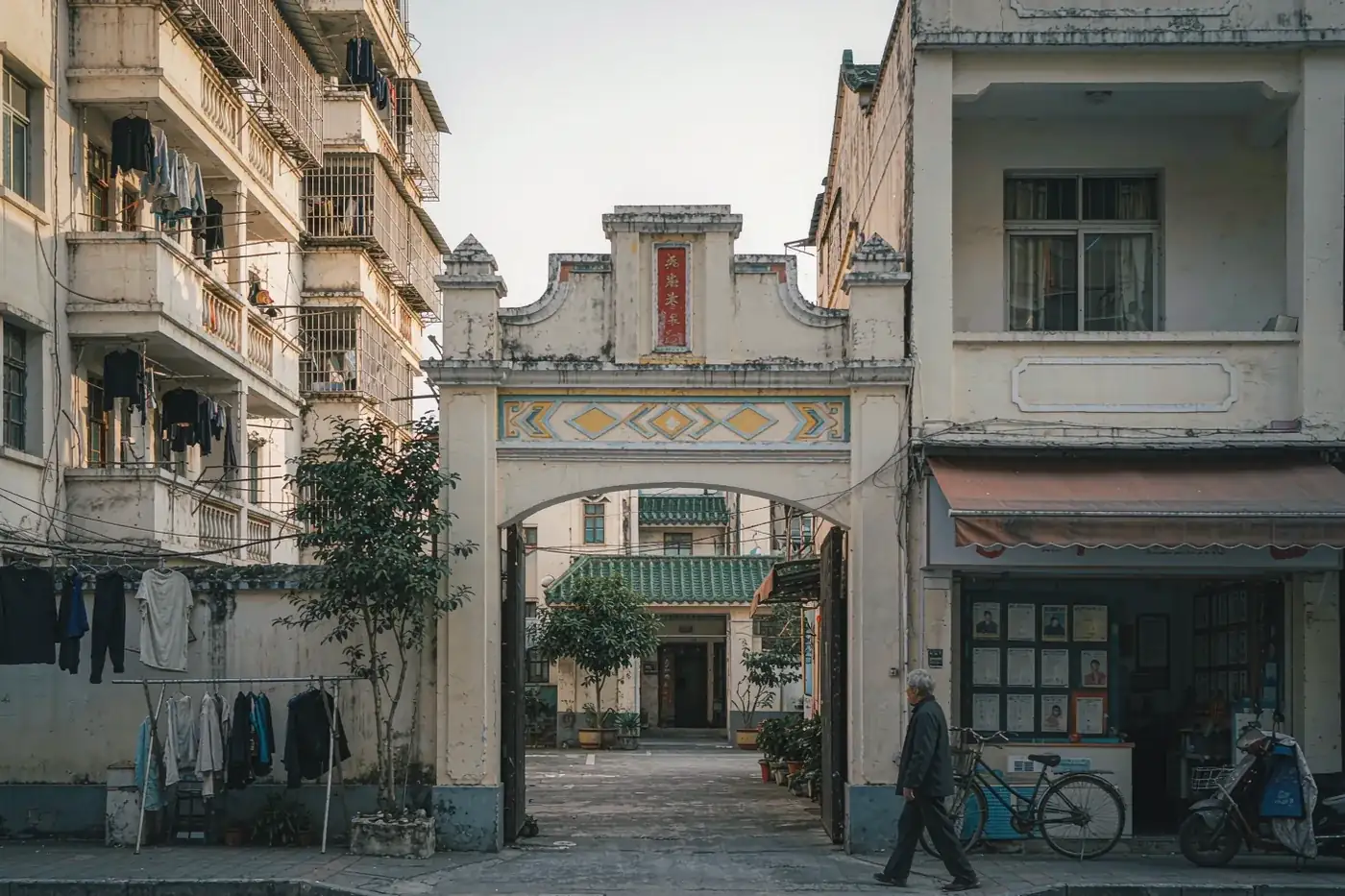
About these figures: deposits, payment terms and agency fees are set by the landlord or agent, not by regulation, and they are negotiable — the amounts below are what students commonly report in the big cities. Get every figure in the contract before you pay anything.
Budget for four to six months of rent on day one. This is the part that shocks people.
| Item | Typical amount | Notes |
|---|---|---|
| Deposit (押金) | 1 month (sometimes 2) | Refundable. The main thing to protect. |
| Rent in advance (付三押一) | 3 months | “Pay three, deposit one” is the standard formula. Some landlords accept 付一押一. |
| Agency fee (中介费) | Half to one month’s rent | Negotiable, especially in a slow market. Always ask. |
| First month’s utilities top-up | ¥300 – 800 | Prepaid meters for electricity, gas and water. |
| Furnishings and basics | ¥1,000 – 4,000 | Bedding, kitchenware, cleaning supplies. Cheaper online. |
On a ¥3,000/month flat in a tier-1 city, that is roughly ¥15,000–18,000 before you own anything. Have it available before you start viewing. For how this sits in your wider budget, see the cost of living guide.
Chinese leases are usually short — two to four pages — and heavily templated. Have someone translate it fully; do not rely on a verbal summary. The clauses that matter most:
Ask for a bilingual version or an English attachment if the landlord has one — large agencies often do. It will not override the Chinese text legally, but it shows good faith and gives you a reference.
Deposit disputes are the single most common problem international students face, and they are almost entirely preventable. The system is: the landlord holds one month’s rent, and on move-out they deduct for damage and unpaid bills before returning the rest.
Your protection is documentation. On move-in day:
Send the move-in photos to the landlord the same day, with a message like “记录一下入住时的情况” (just recording the condition on move-in). It reads as routine, and it gives you a timestamped record they cannot dispute later.
Common improper deductions to push back on: repainting walls for normal wear, replacing items that were already damaged, “deep cleaning” fees that were never mentioned, and utility bills not backed by a meter reading.
Walk away immediately from any of these:
Using a recognised agency such as Lianjia or Beike removes most of this risk, because they verify ownership before listing. The fee buys you that verification.
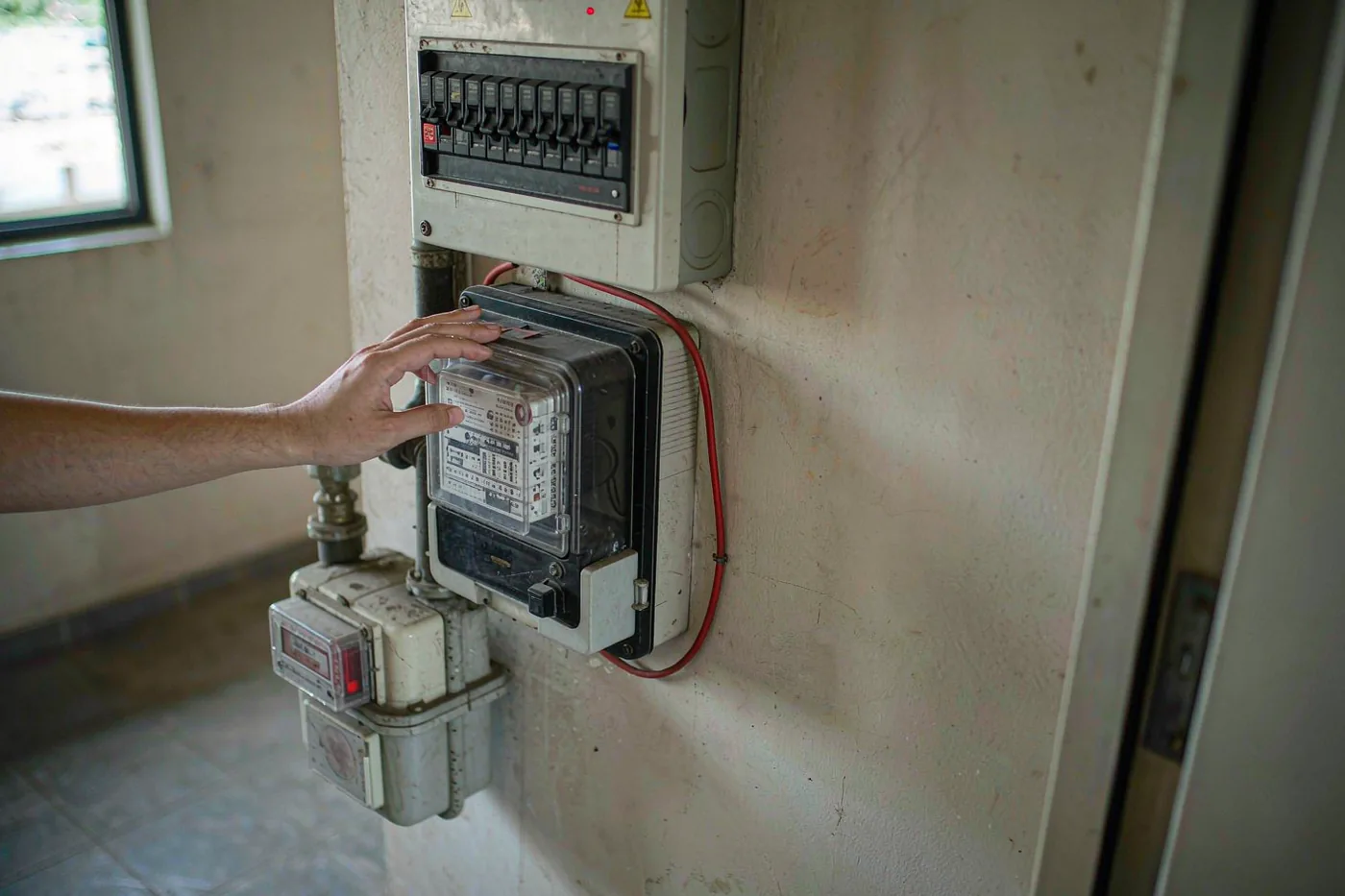
Utilities. Electricity, gas and water are often on prepaid cards or app top-ups rather than monthly bills. Find out on day one where the meter is and how to top it up — usually via Alipay or a WeChat mini-program once you have Alipay working. Running out of electricity mid-evening is a rite of passage; it is avoidable once you know the system.
Internet. Usually your own contract with a provider (China Telecom, Unicom or Mobile), installed within a few days. Costs ¥50–150 per month depending on speed. Bring your passport to the shop. Note that you will also want a working VPN setup before you arrive — see the internet guide.
Repairs. Message the landlord on WeChat, describe the problem, and photograph it. Structural issues, plumbing and supplied appliances are normally the landlord’s responsibility. Response times vary from same-day to never, so a landlord who replies quickly is worth a great deal — ask other tenants in the building if you can.
Registration. Within 24 hours of moving in, you must register your address at the local police station. Your landlord is supposed to help; in practice you will need your passport, your lease and the property details. See the police registration guide — this is a legal requirement, not optional paperwork.
Give notice in writing according to the contract term — usually one month. Then:
If the landlord stalls, a polite but firm WeChat message citing the contract clause usually works. If it does not, your university’s international office can often intervene informally, and the photos you took on move-in day are your evidence.
Renting in China is manageable once you accept two rules. First, verify the landlord against the property certificate — that single check eliminates most scams. Second, document everything on move-in day, because the deposit dispute happens at the end but is won at the beginning. Bring a Chinese speaker, use a recognised agency for your first rental, and do not sign anything under time pressure. A flat you lose to a scam costs far more than a week of extra searching.
Free downloads
Free China downloads for international students
Free arrival downloads: checklists, app setup sheets and first-week planners.
Related guides
Next step
Moving in means registering your address with the police within 24 hours — here is exactly how that works.
Read the registration guideOfficial resources: 58.com — China’s largest classifieds site for direct landlord listings.
Disclaimer: Rules, prices and platform features in China change frequently and can vary by city, institution and individual circumstances. Always confirm with the relevant authority or provider before making arrangements.
