The China Helper
Your practical guide to studying, living and learning in China.
The China Helper
Your practical guide to studying, living and learning in China.

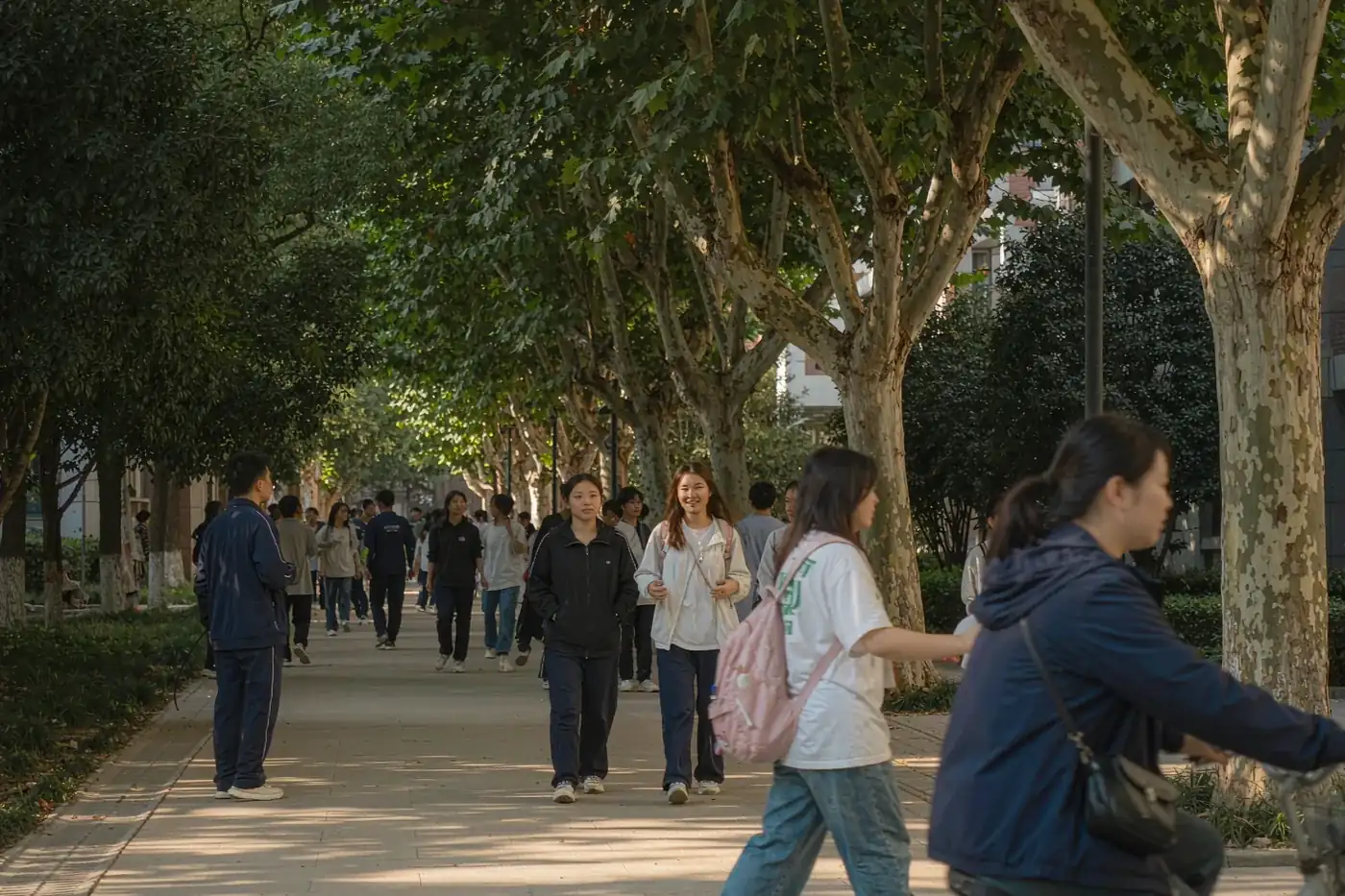
Understanding Classes, Campus Culture, Communication, and Daily Study Life in China
Chinese university life is an exciting experience, but it can also feel unfamiliar at first. International students often need time to adjust to:
How to use this guide
This guide describes what international students commonly experience on Chinese campuses. Day-to-day arrangements — attendance rules, dormitory policy, insurance, grading — are set by each university, so your own international student office and student handbook are the authority for anything that affects your enrolment.
Last reviewed: September 2026 · Part of our Life in China guide series.
Chinese universities have their own unique systems and traditions. Understanding how campus life works will help international students adapt faster, build relationships, and enjoy their study experience. This guide explains what to expect from university life in China and provides practical tips for international students.
At a glance
Quick answer
Attendance and participation are graded at most Chinese universities — turning up really counts. Canteens, libraries and sports facilities cost very little, communication tends to be indirect and relationship-based, and joining a club or language exchange is the fastest route to local friends and better Chinese.
Chinese universities are usually large communities with:
Many universities operate almost like small cities. Students often spend most of their daily life inside or around campus. A typical day may include:
One of the biggest adjustments for international students is the learning environment.
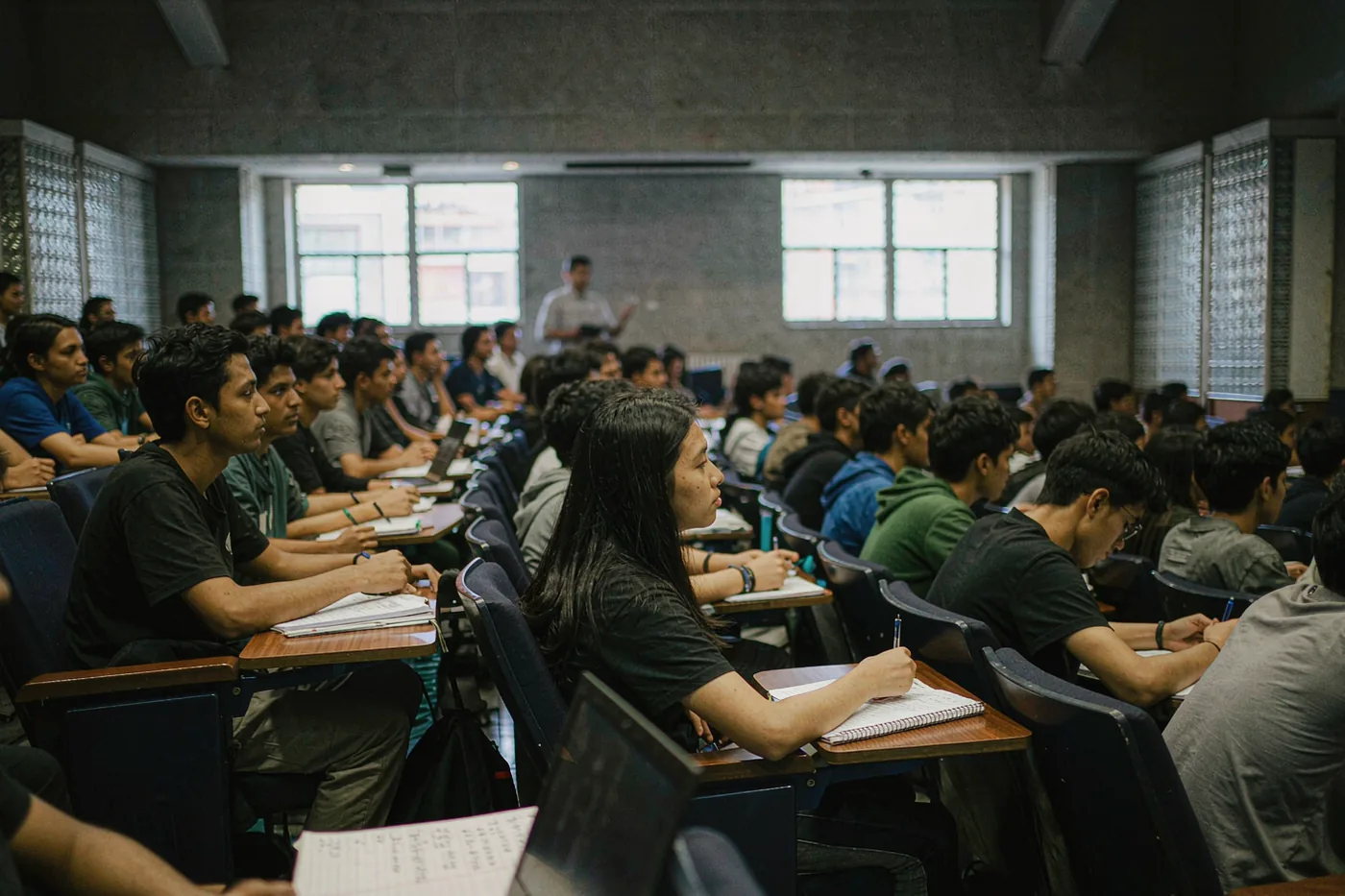
Compared with some Western universities, Chinese university classes may be more structured. Common features include:
Students are generally expected to:
Attendance policies vary by university and course. Some classes require:
Missing too many classes may affect:
Always check your course rules at the beginning of each semester.
Chinese students usually communicate with teachers in a respectful and formal way. Common communication methods:
Useful practices:
When contacting a professor: Include:
Example:
Hello Professor Wang, I am an international student from the Business School. I have a question about the assignment requirements…
Success at a Chinese university requires adapting your study habits.
University libraries are important study spaces. Students use libraries for:
During exam periods, libraries can become very busy.
Many courses include teamwork. International students may work with Chinese classmates on:
This is a great opportunity to:
Even if your program is taught in English, Chinese skills can improve your experience. Chinese is useful for:
Practical Chinese often matters more than textbook knowledge.
Chinese universities usually provide many facilities.
Campus cafeterias are one of the most important parts of student life. Advantages:
Common foods:
Most cafeterias accept:
Useful for:
Many libraries require:
Many universities have:
Sports activities are also a good way to meet other students.
University campuses usually have small supermarkets selling:
They are convenient for daily needs.
Building relationships is an important part of studying abroad.
Chinese classmates can help you:
Ways to meet people:
International student communities are also valuable. They can provide:
Many universities organize:
Student activities are an important part of Chinese campus culture. Common clubs include:
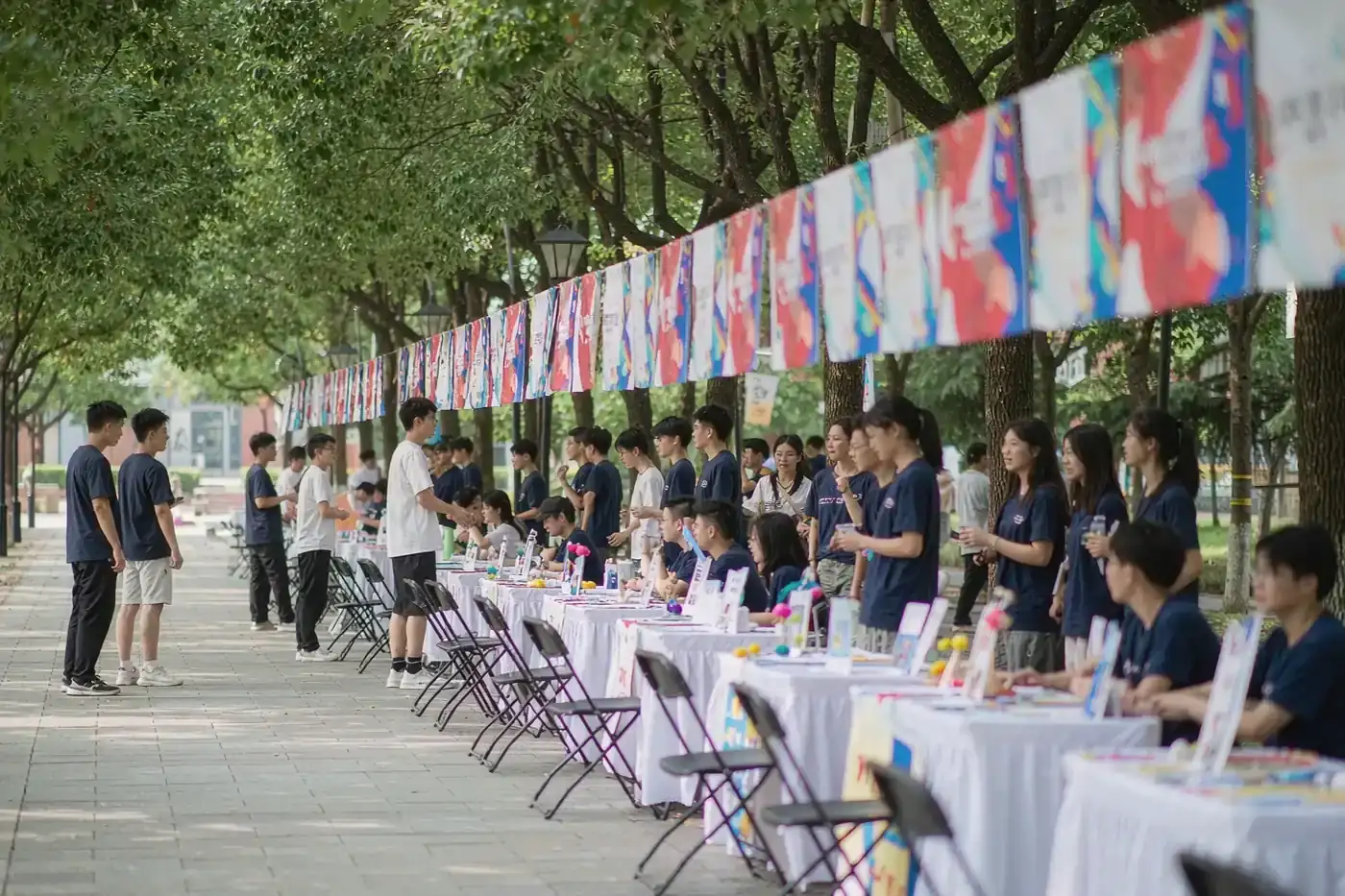
Joining activities helps you:
Cultural adjustment is normal when studying abroad.
Chinese communication can sometimes feel different. For example:
Questions about:
are often normal conversation topics.
In China, relationships (关系, guānxi) are important in daily life. Building good relationships with:
can make your experience much easier.
Chinese university schedules usually include:
Usually around: January – February
Includes: Spring Festival (Chinese New Year)
Usually: July – August
During holidays, many students:
Exam systems vary by university. Common assessment methods:
Some courses may require:
At the beginning of each semester: Check:
University life requires independence. Create a schedule for:
Do not wait until problems become serious. Useful support resources:
Solution:
Solution:
Solution:
Culture adjustment takes time.
| Chinese | Meaning |
|---|---|
| 大学 | University |
| 学院 | School / Faculty |
| 教授 | Professor |
| 老师 | Teacher |
| 同学 | Classmate |
| 宿舍 | Dormitory |
| 食堂 | Cafeteria |
| 图书馆 | Library |
| 课程 | Course |
| 考试 | Exam |
| 成绩 | Grade |
| 奖学金 | Scholarship |
After starting university: ✅ Attend orientation
✅ Join necessary WeChat groups
✅ Learn campus facilities
✅ Meet classmates
✅ Understand course requirements
✅ Visit library
✅ Explore student activities
✅ Practice Chinese daily
✅ Save important university contacts
The difficulty depends on:
Most students adapt after the first semester.
Not always. Many universities offer English-taught programs. However, basic Chinese makes daily life and friendships much easier.
Yes. Many universities welcome international students in:
Universities vary. Some may have more structured rules regarding:
Always check your university policies.
University life in China is more than attending classes. It is an opportunity to:
The first few months may require adjustment, but with curiosity and preparation, studying in China can become one of the most valuable experiences of your life.
Free downloads
Free China downloads for international students
Free downloads for life in China: budget templates, city guides and student checklists.
Related guides
Next step
Ready to measure your progress? This is the exam most students work towards.
Open the HSK exam guideOfficial resources: Study in China (CSC) — official portal on Chinese university life and programmes.
Disclaimer: University regulations, campus services and local practice differ by institution and city. Always confirm with the relevant authority, institution or official source before you rely on it.
